Specialized applications of steel wire materials in the construction and infrastructure sectors
By MnZn
November 18th, 2025
78 views
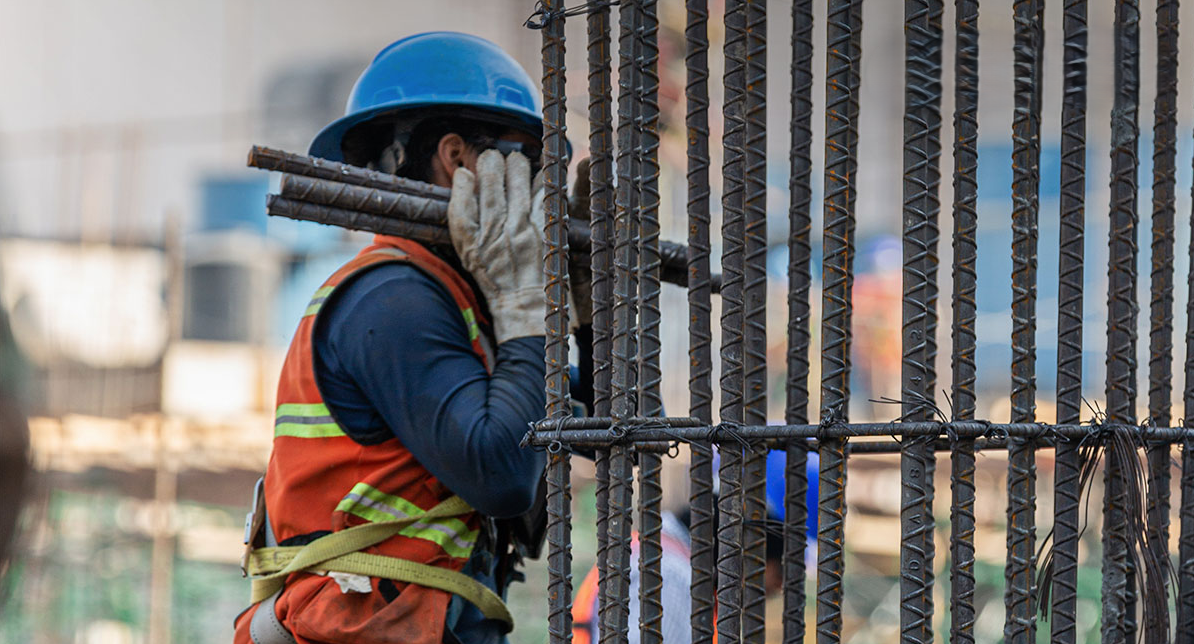 The properties and toughness of materials are fundamental to the success and durability of any project. Among the many important components used in construction, steel wire plays a crucial role in structural integrity and adaptability in countless applications. Renowned for its exceptional tensile strength and flexibility, steel wire is widely used in a variety of fields.Stainless steel wireTypes of steel wire for construction
The construction industry relies on various types of steel wire, each carefully designed to meet the needs of specific structural and functional applications. Here are some of the most commonly used steel wires across different industries:
Black Annealed Steel Wire: Known for its high ductility and malleability, black annealed steel wire is ideal for bundling applications.
Galvanized Steel Wire: This corrosion-resistant wire is well-suited for outdoor and harsh environments due to its zinc coating.
Bright Steel Wire: Offering excellent strength and a smooth surface finish, bright steel wire is commonly used in chain fences and shopping carts.
Spring Steel Wire: Designed for applications requiring high tensile strength and elasticity, such as furniture and automotive manufacturing.
Carbon Steel Wire: A type of steel wire primarily made of iron and carbon. The carbon content is typically low to medium, which directly affects the wire's strength, hardness, and flexibility.
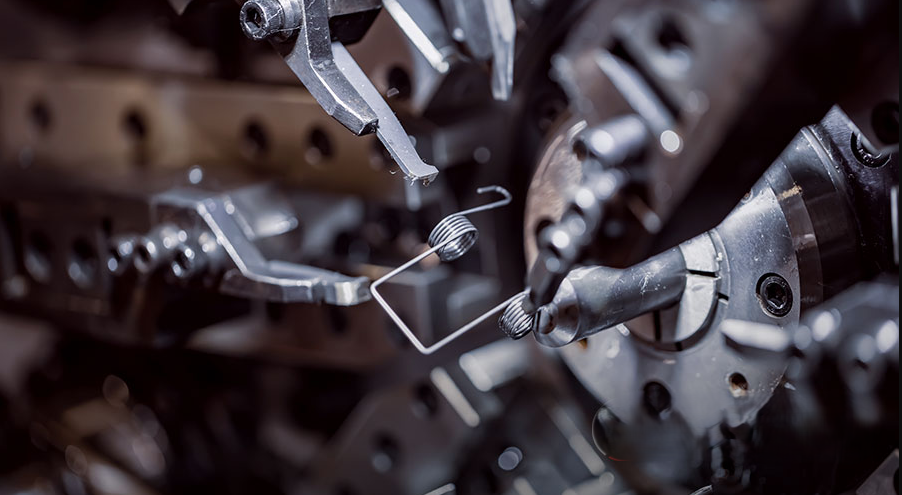
Wire forming
Applications in Construction and Infrastructure
Welded wire mesh products have a wide range of applications, from skyscrapers and major highways to complex public infrastructure systems, depending on the specific type. It plays a crucial role in the durability, stability, and long-term safety of projects.
Applications include: Reinforced Concrete: Wire mesh and reinforcing bars provide the necessary tensile strength for concrete structures.
Fencing and Security: Galvanized steel wire is the material of choice for building durable, weather-resistant fencing.
Scaffolding: Temporary structures benefit from the strength and lightweight nature of wire mesh components.
Advantages of Steel Wire in Infrastructure Projects
The widespread use of steel wire in the construction industry is due to its numerous advantages across various applications. Its high tensile strength, flexibility, and durability make it an ideal material for reinforcing structures and providing long-term stability. These advantages include:
High Tensile Strength: Steel wire can withstand enormous loads, making it ideal for structural applications.
Durability: Properly treated steel wire can last for decades even in harsh environments.
Corrosion Resistance: Galvanized and specially coated steel wires offer excellent rust and corrosion resistance.
Cost-Effectiveness: With its long service life and relatively low production costs, steel wire is an economical choice for large-scale projects.
Properties of stainless steel wire
Manufacturing Process and Quality Control
The production of high-quality steel wire involves several key steps, each meticulously designed to enhance the material's strength, consistency, and performance to meet demanding application requirements. Each stage is crucial to whether the final product meets the stringent standards of the construction and infrastructure industry. These steps include:
Drawing:Drawing steel to the desired diameter through a gradually decreasing die.
Heat Treatment: Processes such as annealing and heat treatment alter the mechanical properties of the steel wire.
Coating: Galvanizing or other protective coatings enhance the durability of the steel wire.
Quality Control:Rigorous testing ensures that the steel wire's strength, dimensions, and surface finish meet industry standards.
Next
Alloys in Action: Choosing the Right Metal Blend for Tough Jobs
Read More
 The properties and toughness of materials are fundamental to the success and durability of any project. Among the many important components used in construction, steel wire plays a crucial role in structural integrity and adaptability in countless applications. Renowned for its exceptional tensile strength and flexibility, steel wire is widely used in a variety of fields.


